Imagine: a customer calls and wants to be added to the waiting list – your employee reaches for a notepad. Another business has an app: the customer adds themselves, gets a notification and arrives exactly when it's their turn. No phone, no paper, no confusion.
This is not a vision of the future. It exists today – and not only for large corporations. Small and medium-sized businesses can afford custom apps too. At Hasi Elektronic we already develop our own apps for Android and iOS. In this guide we explain everything you need to know.
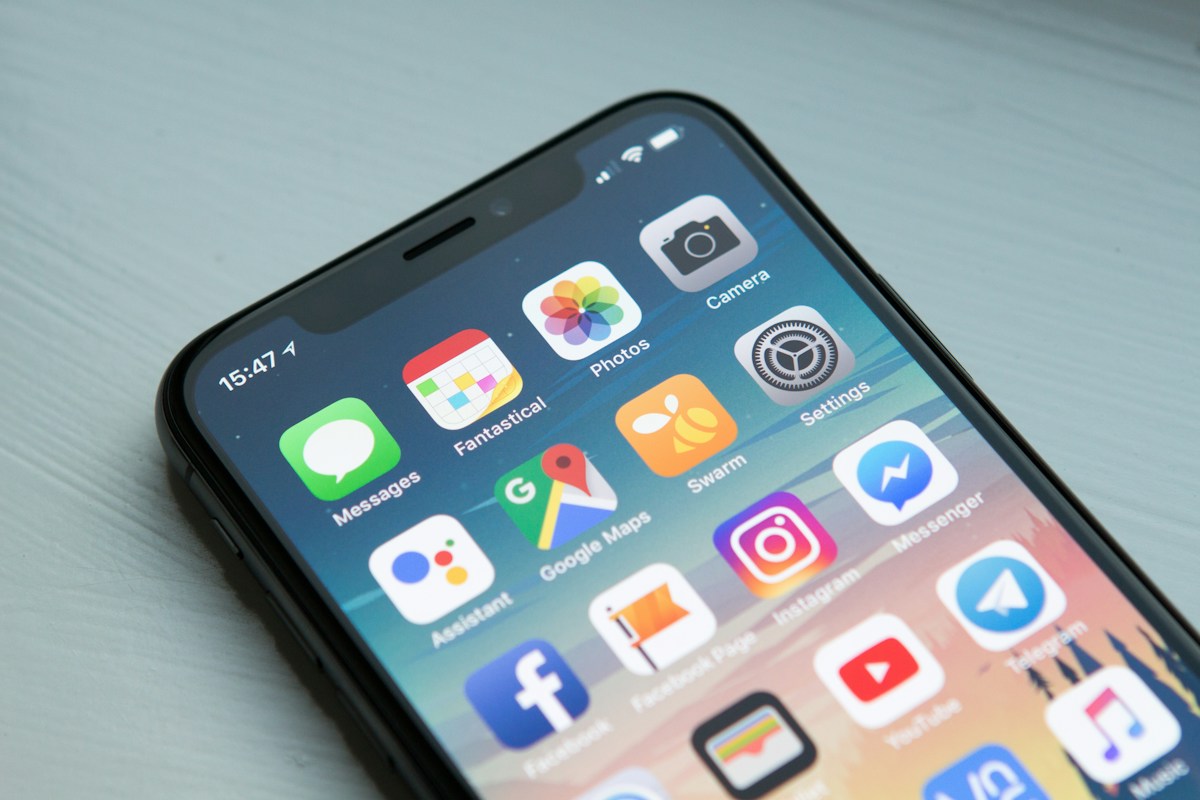
What is a “custom app” in the first place?
A custom app is exactly that – custom. It is developed from scratch for your specific requirements. No ready-made kit, no limited standard solution, no monthly subscription fees for features you'll never need.
Unlike standard software, such as an off-the-shelf inventory system or a universal booking tool, a custom app adapts to your business – not the other way round.
What can a custom app do for your business?
- Digital waiting list – customers add themselves and are notified automatically
- Order management – repair orders, statuses, photos, customer data
- Appointment booking without the phone – directly in the app
- Staff app – shift plans, tasks, internal communication
- Customer loyalty – points, discounts, push notifications
- Scanner and document management – receipts, delivery notes, photos
- Industry-specific solutions – whatever your business needs
When is a custom app worth it?
Not every business needs an app straight away. But there are clear signs that an app brings real added value:
Sign 1: Recurring manual processes
If your employees handle the same tasks manually every day – keeping a waiting list, writing down appointments, entering orders in Excel – that's a sure sign. Anything that happens regularly and uniformly can be automated. An app does in seconds what used to take minutes or hours.
Sign 2: Errors from manual transfer
Number written down wrongly, appointment forgotten, order booked twice – manual processes are error-prone. An app eliminates these sources of error. Data is entered once and synchronised everywhere automatically.
Sign 3: Customers waiting for feedback
What happens at your business when a customer wants to know whether their device is ready? They call, someone asks the technician, then someone calls back? With an app, the customer sees the status in real time – just like with a parcel delivery.
Sign 4: Standard software doesn't fit
You have already tried tools, but none of them really fits? Too many unnecessary functions, too few for your industry, too expensive for what you actually use? That is the classic point at which custom development makes more sense than the next standard solution.
Sign 5: Your market is changing
If your competitors already use apps or customers increasingly expect digital communication, now is the time. An app is also a marketing advantage: it shows that your business is modern and professionally set up.
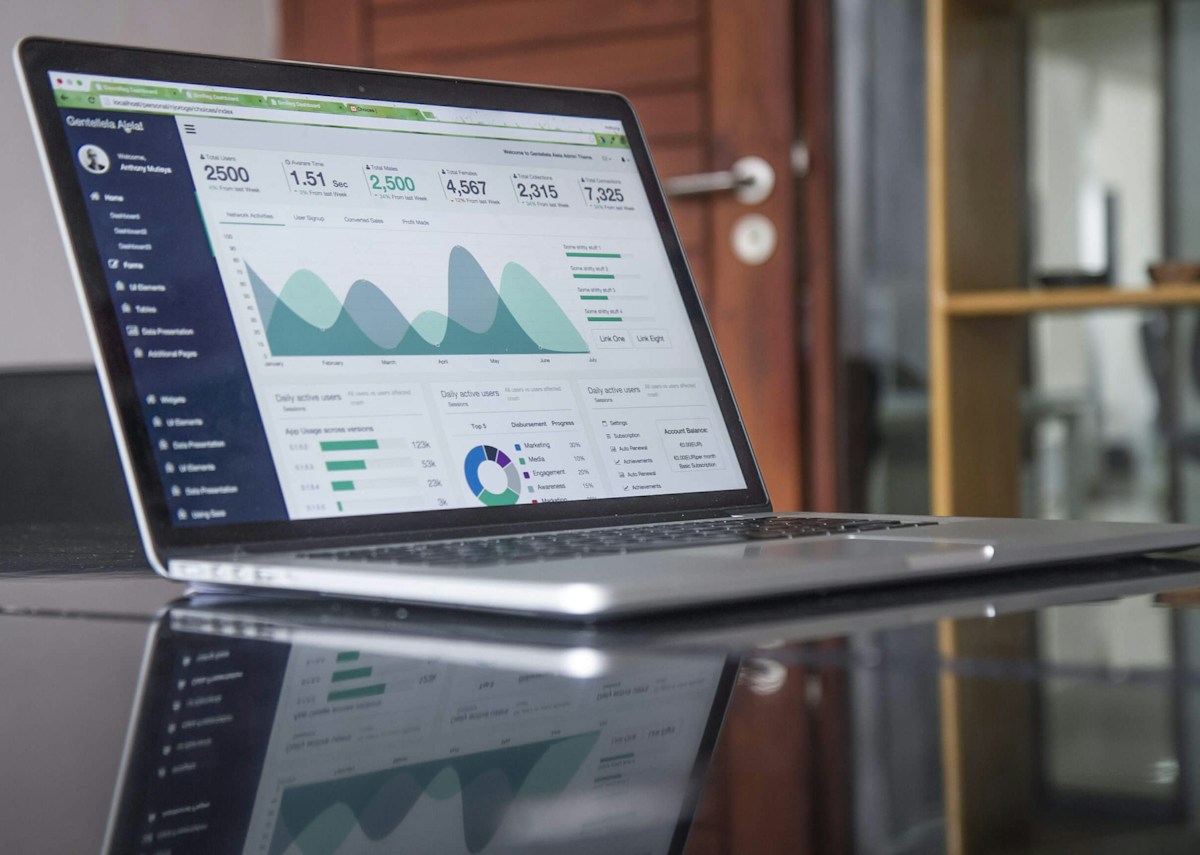
What kinds of apps are there?
Android app (Google Play Store)
Android is the most widely used smartphone operating system in Germany – with over 70% market share. An Android app reaches the broad mass of users. It is published in the Google Play Store and can be downloaded by millions of users. Development: usually with React Native (cross-platform) or Kotlin (native).
iOS app (Apple App Store)
iPhones are particularly popular among entrepreneurs, the self-employed and customers with strong purchasing power. An iOS app is published in the Apple App Store. Before publication, testers can try the app via TestFlight (Apple's beta platform) – this way we make sure everything works perfectly.
Cross-platform: Android + iOS at the same time
With technologies like React Native, we write one code base – and the app runs on Android AND iOS. This saves considerable time and cost. At Hasi Elektronic, this is exactly the approach we use. All our own apps (WarteListe Pro, Rivus, QuestMind, Scany, ClipCut) were developed this way.
Web app (PWA)
A progressive web app runs in the browser – on any device, without installation. It behaves like a native app, can be saved to the home screen and also works offline. Ideal for applications that don't need to be published in a store – for example internal staff tools or customer portals.
How does app development work?
Many business owners think app development is a huge, unmanageable project. In practice, it isn't – if you approach it in a structured way.
Phase 1: Consultation (free)
It all starts with an open conversation. What exactly should the app do? Who will use it – staff, customers or both? Which processes should be digitised? We listen, ask questions and sketch out first ideas. No jargon, no sales pressure.
Phase 2: Concept and requirements analysis
After the conversation we write a concept: which functions are needed in the first step? Which can be added later? What should the user interface look like? The concept is the basis for a binding quote.
Phase 3: Design and prototype
Before a single line of code is written, we show you a visual prototype – so you can see early on how the app will look and work. Feedback at this stage is cheap; changes after development are expensive.
Phase 4: Development in sprints
The actual development runs in short stages (sprints). After each sprint you see progress, can test and give feedback. No black box, no waiting for the finished product without updates.
Phase 5: Beta test
Before publication we test intensively – on real devices, with real users. For iOS we use TestFlight, for Android the internal test track in the Play Console. That way there are no surprises at launch.
Phase 6: Publication and support
After approval we publish the app in the Play Store and/or App Store. And then? Then we're still there. Apps need maintenance – updates, new features, adjustments to new operating system versions.

What does a custom app cost?
This question is justified – and deserves an honest answer. Not blanket marketing answers, but concrete estimates.
Simple app (1–3 core functions)
- Example: digital waiting list, simple scanner, RSS reader
- Development time: 4–8 weeks
- Cost: from €2,500 (fixed price based on the concept)
- Suitable for: retailers, practices, small businesses
Medium-sized app (several linked functions)
- Example: order management with customer database, booking system
- Development time: 8–16 weeks
- Cost: €5,000 – €12,000
- Suitable for: tradespeople, service providers, specialist businesses
Complex app (backend, API, multiple users)
- Example: staff app with admin panel, complete business software
- Development time: 3–6 months
- Cost: from €15,000
- Suitable for: companies with several locations, larger teams
Important: these figures are guide values. The actual price depends on the scope. That's why we always start with a free consultation and a binding fixed-price quote – no surprises. Prices are net, plus German VAT.
Can I afford it? A return-on-investment calculation
An app costs money – but it also saves money. Let's work through a concrete example:
Scenario: dental practice with a digital waiting list
- Previous effort: an employee spends 1.5 hours a day on the phone coordinating appointments
- Hourly wage (incl. on-costs): €20/h
- Cost per year: 1.5 h × 260 days × €20 = €7,800 per year
- App cost: €3,500 one-off
- Payback: under 6 months
On top of that come benefits that can't be measured: fewer errors, higher customer satisfaction, a more professional image.
Our own apps as proof
At Hasi Elektronic we don't only develop for customers – we develop for ourselves. We currently have 6 of our own Android and iOS apps plus a Chrome extension:
- WarteListe Pro – digital waiting list for practices and businesses
- WarteListe Zahnarzt – made specifically for dental practices
- Rivus – modern RSS reader
- QuestMind – track habits and tasks
- Scany – document scanner
- ClipCut – quick video editor
- PureWall – Chrome extension: ad blocker & privacy
This means: when we develop an app for you, we bring real experience – not just as a service provider, but as developers who have been through the entire process from the Play Store to the App Store ourselves.
Typical questions and answers
Do I need technical knowledge?
No. You only need to know what your business needs. We take care of the rest and explain everything clearly – no jargon, no confusion.
What happens if I want changes?
Changes during development are normal and factored in. We work in short sprints with regular feedback. After launch, changes are possible at any time – as a separate service.
Who owns the app after development?
You do. Completely. You receive the complete source code and all rights. No dependency on us if you later want to work with another developer.
How long does it take until the app is in the store?
Google Play: 1–3 days after submission. Apple App Store: 1–7 days (Apple reviews more strictly). So once development is done, it's quick.
What does maintaining the app cost after launch?
Depending on scope, a maintenance contract costs €100–300 per month. In return you are always up to date, bugs are fixed quickly and new features can be added at any time.
Have an idea for an app? Talk to us. Free initial consultation, an honest assessment, a binding fixed-price quote. We develop Android and iOS apps for small and medium-sized businesses in Vaihingen an der Enz and the Stuttgart region. No outsourcing, everything in-house – and we're happy to work with you in English.